The Hidden Risks of Untreated Myopia in Children
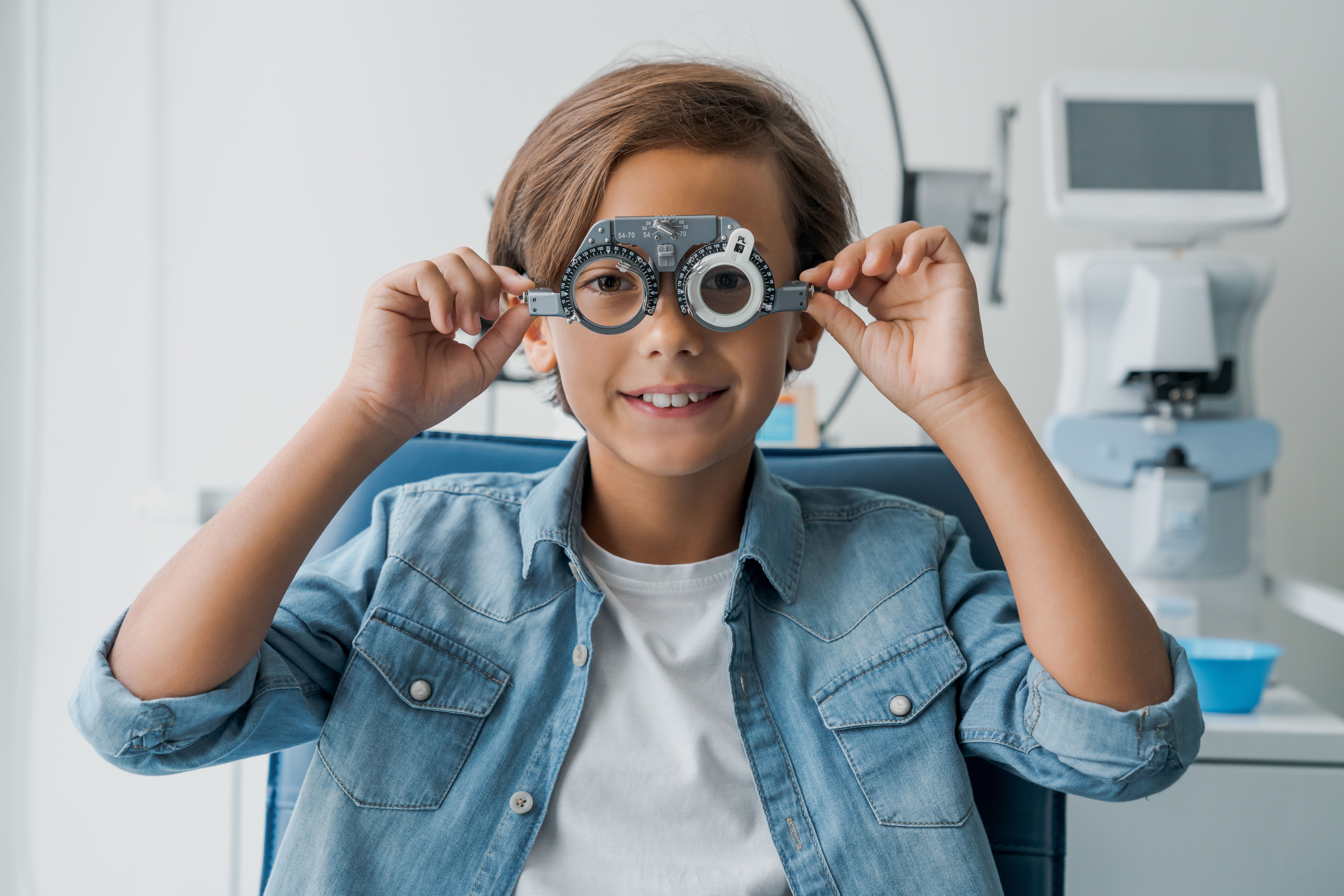
Myopia in children is often dismissed as a simple need for stronger glasses, but untreated myopia can carry long-term consequences. When a child’s eyes continue to grow too long, the condition often progresses, increasing prescription strength over time and raising the likelihood of future eye health problems. Children who develop myopia early are also more likely to reach higher levels of nearsightedness as they grow.
Why Progression Matters
Myopia does not just affect how clearly a child sees the board at school or objects in the distance. Higher levels of myopia are associated with greater lifetime risk for serious conditions such as retinal detachment, glaucoma, cataracts, and myopic macular degeneration. That is why early monitoring and treatment matter - not only for vision today, but for long-term eye health.
Signs Myopia May Be Going Unnoticed
Children do not always realize their vision is getting worse. They may assume blurry distance vision is normal or struggle without saying anything. Parents should pay attention to signs such as:
• Squinting to see far away
• Sitting very close to screens
• Holding books too close
• Complaints of headaches or eye strain
• Trouble seeing the board at school
• Falling performance in sports or classroom activities
Why Early Treatment Can Make a Difference
Modern myopia management focuses on slowing progression rather than simply updating glasses each year. This is important because controlling how quickly myopia worsens may help reduce the risk of higher prescriptions and related complications later in life. A child with progressive myopia benefits from regular eye exams and a personalized treatment plan based on age, prescription changes, and visual needs.
Treatment Options That May Help
Two commonly used myopia management options include MiSight and atropine eye drops. MiSight 1 day contact lenses are FDA-approved to slow myopia progression in children ages 8 to 12 at the start of treatment. Low-dose atropine eye drops are also used in children and may help slow progression when monitored by an eye doctor.
The Importance of Ongoing Monitoring
Because myopia can change quickly during childhood, regular pediatric eye exams are essential. Tracking prescription shifts and eye growth allows treatment to be adjusted as needed. Early diagnosis and consistent follow-up give parents a better chance to protect their child’s vision before myopia progresses further.
Schedule a pediatric eye exam at EyeWorld Optometry to learn whether MiSight or atropine drops may be right for your child. Visit our office in San Diego, California, or call (858) 974-1447 to book an appointment today.
Quick Links
Helpful Articles
article_category: products
article_category: psychiatry
article_category: faqs
article_category: cats
article_category: general
article_category: services
article_category: technology
article_category: dogs
article_category: restorative
article_category: vision therapy
article_category: contact lenses
article_category: health
article_category: conditions
article_category: eye surgery co-management
article_category: exotic
article_category: cosmetic
article_category: surgical procedures
article_category: aesthetics
article_category: preventative
article_category: ocular disease management
article_category: eyeglasses
article_category: eye health
article_category: large animal
[]
article_category: psychiatry
article_category: faqs
article_category: cats
article_category: general
article_category: services
article_category: technology
article_category: dogs
article_category: restorative
article_category: vision therapy
article_category: contact lenses
article_category: health
article_category: conditions
article_category: eye surgery co-management
article_category: exotic
article_category: cosmetic
article_category: surgical procedures
article_category: aesthetics
article_category: preventative
article_category: ocular disease management
article_category: eyeglasses
article_category: eye health
article_category: large animal
[]
Flowbite is an open-source library of interactive components built on top of Tailwind CSS including buttons, dropdowns, modals, navbars, and more.
Check out this guide to learn how to get started and start developing websites even faster with components on top of Tailwind CSS.

All Eyecare Services
We offer a wide variety of eye care services to the San Diego community. Contact us with any questions about our services.

Keep In Touch
For non-urgent questions or to learn more about our services, contact us today!

Quick Links
Our Services
Contact Info
- 7420 Clairemont Mesa Blvd #101
San Diego, CA 92111 - Phone: (858) 974-1447
- Fax: (844) 965-9473
Hours of Operation
- Monday 10:00 am - 2:00 pm, 3:00 pm - 7:00 pm
- Tuesday 10:00 am - 2:00 pm, 3:00 pm - 7:00 pm
- Wednesday 10:00 am - 2:00 pm, 3:00 pm - 7:00 pm
- Thursday 10:00 am - 2:00 pm, 3:00 pm - 7:00 pm
- Friday 10:00 am - 2:00 pm, 3:00 pm - 7:00 pm
- Saturday 10:00 am - 3:00 pm
- Sunday Closed
- Monday
- Tuesday
- Wednesday
- Thursday
- Friday
- Saturday
- Sunday
- Monday
- Tuesday
- Wednesday
- Thursday
- Friday
- Saturday
- Sunday
© 2026 EyeWorld Optometry. All rights Reserved - Accessibility Statement - Privacy Policy - Sitemap
Managed and Designed by 