Dry Eye Treatment

Dry Eye can have a major impact on your quality of life. You may find your eyes get tired faster or you have difficulty reading. Not to mention the discomfort of a burning sensation or blurry vision. Let’s take a look at dry eye treatments – from simple self-care to innovative prescriptions and therapies – to help you see clearly and comfortably.
What is Dry Eye?
Understanding dry eye will help you determine the best treatment option. Dry eye occurs when a person doesn't have enough quality tears to lubricate and nourish the eye. Tears reduce eye infections, wash away foreign matter, and keep the eye’s surface smooth and clear. People with dry eyes either do not produce enough tears or their tears are poor quality. It’s a common and often chronic problem, especially in older adults.
Preventive Self-Care
Before we delve into more serious dry eye treatment options, here are a few simple self-care options that can manage minor cases of dry eye.
Blink regularly when reading or staring at a computer screen for a long time.
Make sure there’s adequate humidity in the air at work and at home.
Wear sunglasses outside to reduce sun and wind exposure. Wraparound glasses are best.
Take supplements with essential fatty acids as these may decrease dry eye symptoms.
Drink 8 to 10 glasses of water each day to avoid dehydration.
Find out if any of your prescriptions have dry eye as a side effect and if so, see if you can take an alternative.
Artificial Tears
For mild cases of dry eyes, the best option is over-the-counter eye drops. Here are a few tips for selecting the right one:
Low viscosity – These artificial tears are watery. They often provide quick relief with little or no blurring of your vision, but their effect can be brief, and sometimes you must use these drops frequently to get adequate relief.
High viscosity – These are more gel-like and provide longer-lasting lubrication. However, these drops can cause significant blurring of your vision for several minutes. For this reason, high-viscosity artificial tears are recommended at bedtime.
Prescription Dry Eye Treatments
There are several prescriptions that treat dry eye differently. Your eye doctor can advise the best option for your situation.
Contact Lenses – There are specialty contact lenses that deliver moisture to the surface of the eye. They’re called scleral lenses or bandage lenses.
Antibiotics– If your eyelids are inflamed, this can prevent oil glands from secreting oil into your tears. Your doctor may recommend antibiotics to reduce inflammation.

Anti-inflammatory drugs – These are eye drops to control inflammation on the surface of your eyes (cornea) using the immune-suppressing medication cyclosporine (Restasis) or corticosteroids.
Eye Inserts – If artificial tears don't help, another option may be a tiny eye insert. Once a day, you place the hydroxypropyl cellulose (Lacrisert) insert between your lower eyelid and your eyeball. It dissolves slowly, releasing a substance to lubricate your eye.
Tear-stimulating drugs – Available as pills, gel or eye drops, cholinergic (pilocarpine, cevimeline), these help to increase tear production.
Autologous blood serum drops – For serious dry eye that’s not responding to other treatment, these eyedrops are made with a sample of your blood. It’s processed to remove the red blood cells and then mixed with a salt solution.
Dry Eye Procedures
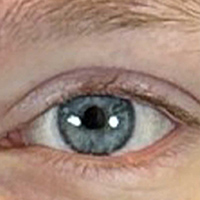
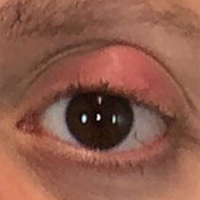
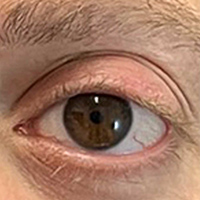
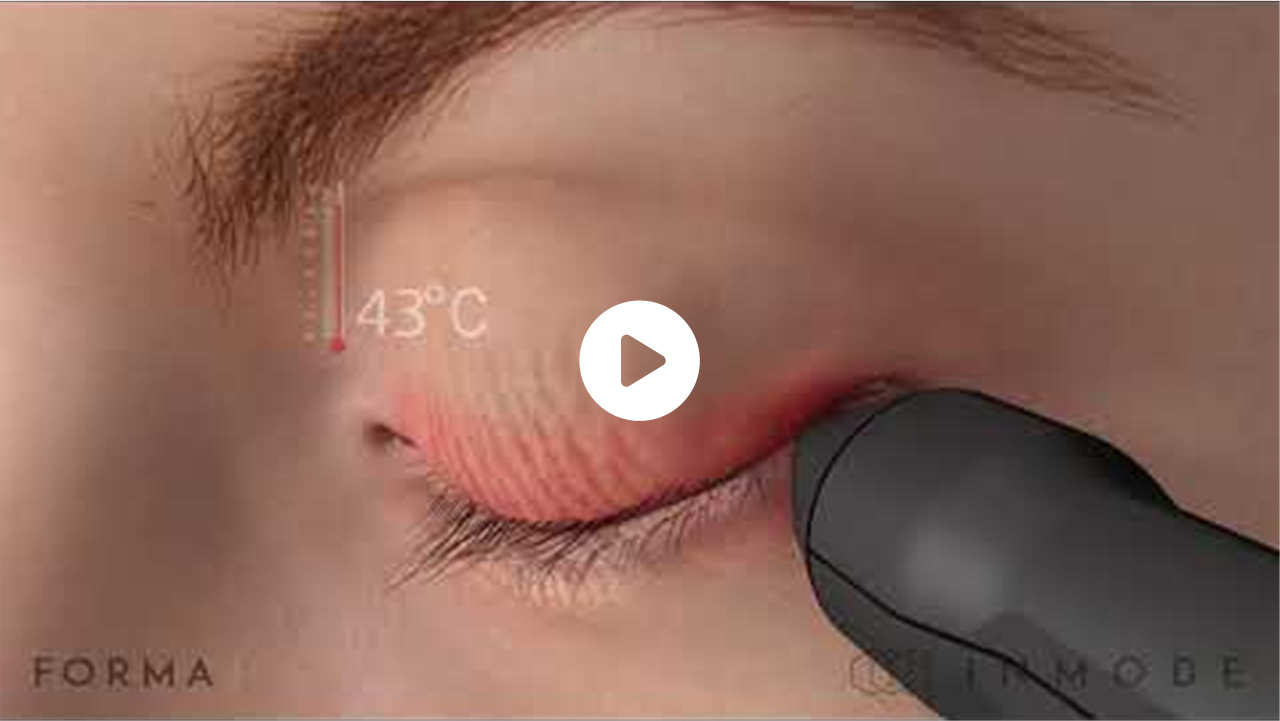
Radio Frequency (Forma-I): It heats the meibomian glands to roughly 42°C to 43°C, melting hardened oils (meibum) that block the glands and restoring normal oil flow into the tear film.
IPL therapy (Lumecca): IPL targets abnormal, leaking blood vessels around the eyelids (often linked to ocular rosacea), curbs bacteria and Demodex mites, and breaks the cycle of chronic ocular surface inflammation.
You don’t have to suffer from the symptoms of dry eye. Talk to your optometrist about dry eye treatment options designed to address the underlying cause of your condition.

Dry eye disease is a condition where eyes do not produce enough quality tears to lubricate and nourish the eyes. This can be caused by factors such as aging, environmental conditions, prolonged screen use, certain medications, autoimmune disorders, and hormonal changes. It is characterized by a range of symptoms including stinging or burning sensations, redness, itchiness, blurred vision, and a feeling of grittiness in the eyes.
Dry eye is often a chronic and progressive condition which requires medical intervention and management to alleviate discomfort and prevent potential complications.
Dry eye is often a chronic and progressive condition which requires medical intervention and management to alleviate discomfort and prevent potential complications.
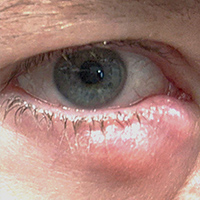
Before
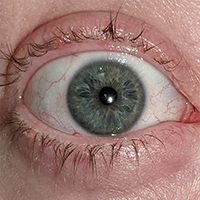
After
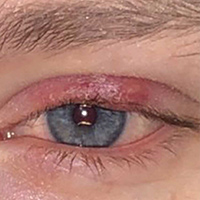
Before
After
Before
After
Before
After
Envision FAQ
Dry eye disease is a condition where eyes do not produce enough quality tears to lubricate and nourish the eye. This can be caused by factors such as aging, environmental conditions, prolonged screen use, certain medications, autoimmune disorders, and hormonal changes. It is characterized by a range of symptoms including stinging or burning sensations, redness, itchiness, blurred vision, and a feeling of grittiness in the eyes. Dry eye is often a chronic and progressive condition which requires medical intervention and management to alleviate discomfort and prevent potential complications.
What is meibomian gland dysfunction (MGD)?
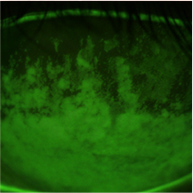
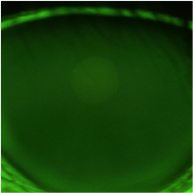
Meibomian gland dysfunction (MGD) is a common eye condition where the meibomian glands, located in the upper and lower eyelids, may become blocked and do not function properly. These glands secrete an oily substance that forms an essential part of the tear film. When secretion of this oil is obstructed or reduced, moisture evaporates too quickly from the tear film, resulting in dry eye symptoms, eyelid inflammation (blepharitis), and potential damage to the ocular surface. If left untreated, MGD can lead to chronic discomfort and increased risk of permanent damage, highlighting the importance of timely diagnosis and appropriate management.
What is Forma-i?
Forma-i is a non-invasive radiofrequency treatment to address dry eye symptoms caused by Meibomian Gland Dysfunction (MGD). A small and precise applicator delivers gentle heat to the delicate eye area, thereby targeting the underlying causes of meibomian gland dysfunction, such as gland blockages, and promoting improved blood circulation and gland function.
Radiofrequency thermal energy also promotes a process called neocollagensis, or the growth and repair of collagen. This helps rebuild and repair the meibomian glands, and results in smoother, tighter, and more youthful-looking skin. By stimulating gland activity and secretion, Forma-i radiofrequency treatment can help alleviate dry eye symptoms, including discomfort, blurred vision, and irritation, and improve the appearance of fine lines, wrinkles, and bags.
What is Lumecca?
Lumecca Intense Pulsed Light (IPL) treatment delivers targeted light energy to areas of the face, body, and delicate eye area, offering benefits for dry eye, inflammation, and pigmentation concerns. Light energy targets tiny inflammatory blood vessels just below the skin, reducing eyelid inflammation, rosacea, eyelash mites (demodex), and improving collagen synthesis, indirectly helping dry eye symptoms and associated discomfort. Additionally, Lumecca IPL's ability to target pigmented areas can be utilized to address issues like hyperpigmentation, improving the aesthetic appearance around the eyes, areas of the face, and body.
How many treatments are needed?
Most patients will start to feel and see improvement after the first treatment, however a series of 4 treatments is typically recommended for optimal results.
Who is a candidate for treatment?
Patients over 18 with symptomatic or asymptomatic meibomian gland dysfunction can safely undergo this treatment. There are a few exceptions, such as patients who are pregnant or breastfeeding, or who have existing other existing eye conditions.
Are these treatments covered by insurance?
These treatments are not recognized by insurance companies as coverable services and are therefore cash pay. These treatments are intended to improve and treat the root cause of dry eye disease, thereby saving money on the lifelong need for expensive prescription eye drops.
How long do the results last?
Most patients will need 1-2 treatments annually to maintain the results of the initial treatment package.
Quick Links
Helpful Articles
article_category: restorative
article_category: vision therapy
article_category: contact lenses
article_category: health
article_category: conditions
article_category: eye surgery co-management
article_category: exotic
article_category: cosmetic
article_category: products
article_category: psychiatry
article_category: faqs
article_category: cats
article_category: general
article_category: services
article_category: technology
article_category: dogs
article_category: surgical procedures
article_category: aesthetics
article_category: preventative
article_category: ocular disease management
article_category: eyeglasses
article_category: eye health
article_category: large animal
[]
Flowbite is an open-source library of interactive components built on top of Tailwind CSS including buttons, dropdowns, modals, navbars, and more.
Check out this guide to learn how to get started and start developing websites even faster with components on top of Tailwind CSS.

All Eyecare Services
We offer a wide variety of eye care services to the San Diego community. Contact us with any questions about our services.

Keep In Touch
For non-urgent questions or to learn more about our services, contact us today!

Quick Links
Our Services
Contact Info
- 7420 Clairemont Mesa Blvd #101
San Diego, CA 92111 - Phone: (858) 974-1447
- Fax: (844) 965-9473
Hours of Operation
- Monday 10:00 am - 2:00 pm, 3:00 pm - 7:00 pm
- Tuesday 10:00 am - 2:00 pm, 3:00 pm - 7:00 pm
- Wednesday 10:00 am - 2:00 pm, 3:00 pm - 7:00 pm
- Thursday 10:00 am - 2:00 pm, 3:00 pm - 7:00 pm
- Friday 10:00 am - 2:00 pm, 3:00 pm - 7:00 pm
- Saturday 10:00 am - 3:00 pm
- Sunday Closed
- Monday
- Tuesday
- Wednesday
- Thursday
- Friday
- Saturday
- Sunday
- Monday
- Tuesday
- Wednesday
- Thursday
- Friday
- Saturday
- Sunday
© 2026 EyeWorld Optometry. All rights Reserved - Accessibility Statement - Privacy Policy - Sitemap
Managed and Designed by 